
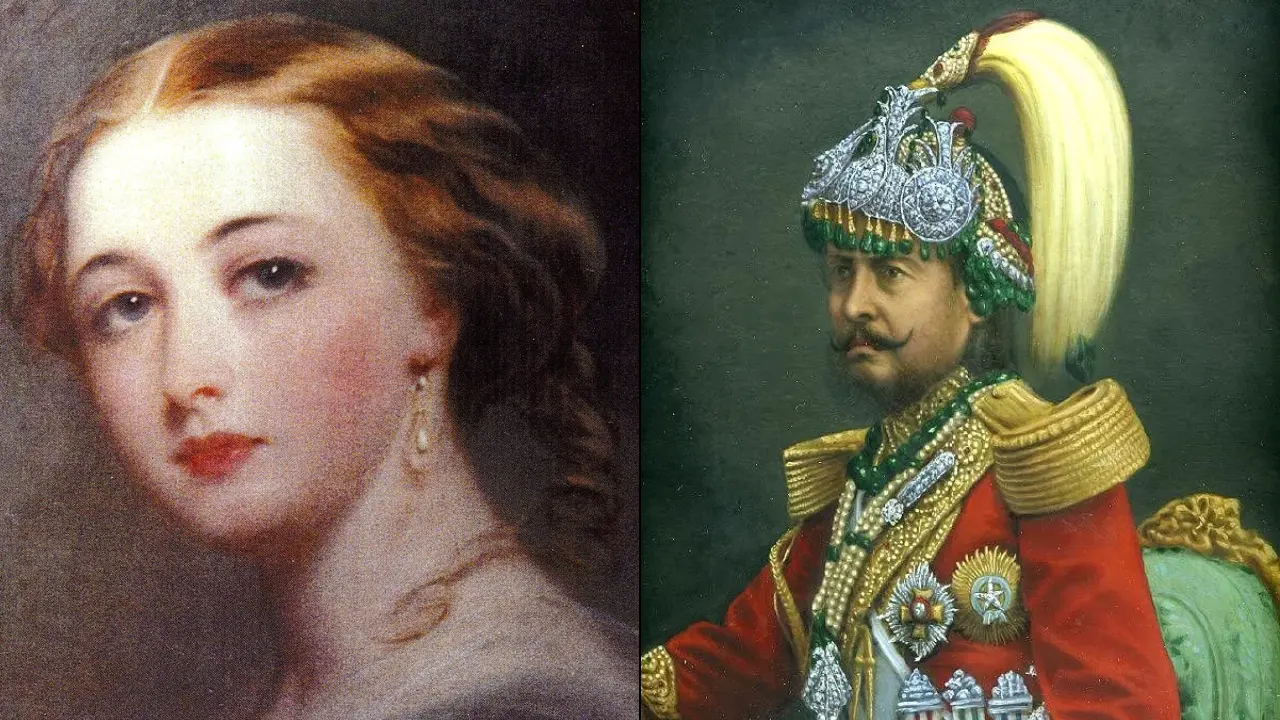
In the summer of 1857, the Indian Mutiny threatened to collapse British rule across the subcontinent. Delhi had fallen. The garrison at Lucknow was besieged. The India Office needed Nepal’s Gurkha regiments to intervene, and Nepal’s prime minister, Jung Bahadur Rana, was not yet persuaded.
A desperate India Office turned to Laura Bell.
She was thirty-seven years old, living in Grosvenor Square, and had spent the past decade preaching evangelical Christianity to London’s high society. She sent Jung Bahadur a letter. Enclosed was the ring he had given her six years earlier, in the days when he had spent over £250,000 on her in a matter of months and nearly emptied the Nepalese treasury doing it.
Jung Bahadur led six regiments into India. His troops helped retake Lucknow. What part Laura played in that decision has never been entirely settled.
A Belfast Shop Girl Left Her Village Behind
Laura Eliza Jane Bell was born in 1829 in Glenavy, a village in County Antrim, Northern Ireland. Her father, Captain Robert Henry Bell, managed the estates of Richard Seymour-Conway, the 4th Marquess of Hertford. Her mother, Laura Jane Seymour, was reportedly the illegitimate daughter of Francis Seymour-Conway, the 3rd Marquess of Hertford, a British Tory politician. The family was respectable and moderately prosperous. By her own later account, her childhood was neglectful.
Around the age of fourteen, she left Glenavy for Belfast, found work as a shop assistant, and turned to occasional prostitution to supplement her income. By every contemporary description, she was extraordinarily beautiful: cascading golden hair, large blue eyes, a complexion described as fresh and luminous. By the time she was eighteen she had moved to Dublin, established herself as a courtesan, and attracted clients including Sir William Wilde, the distinguished physician and father of Oscar Wilde.
Dublin’s income was comfortable. It was not enough.
Laura Arrived in London With Nothing but Her Looks
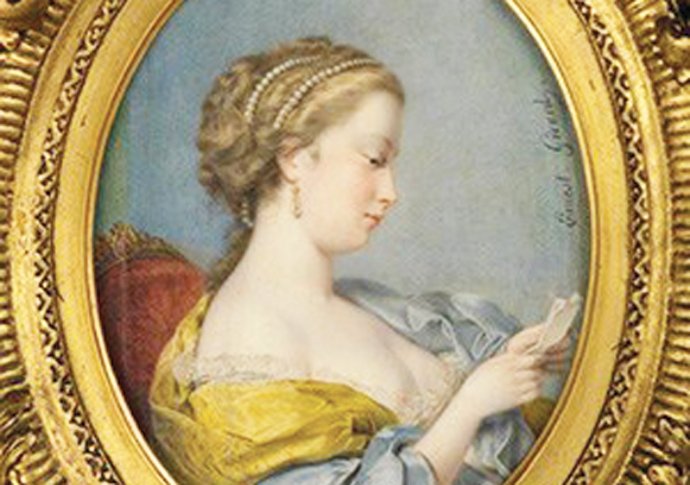
In 1849, aged twenty, Laura arrived in London. The city had an estimated 80,000 prostitutes at the time; one house in every sixty was a brothel. Within a year she had risen to the very summit of that world. Contemporaries called her the Queen of London Whoredom. Her clientele included dukes, senior politicians, and the Emperor Napoleon III.
Each week she drove through Hyde Park in a gilt carriage drawn by two white horses. At the opera one evening, the entire house reportedly rose simultaneously to watch her leave.It was during one of those Hyde Park appearances that she first caught the attention of Jung Bahadur Rana.
Jung Bahadur Rana Spent a Fortune and Left England
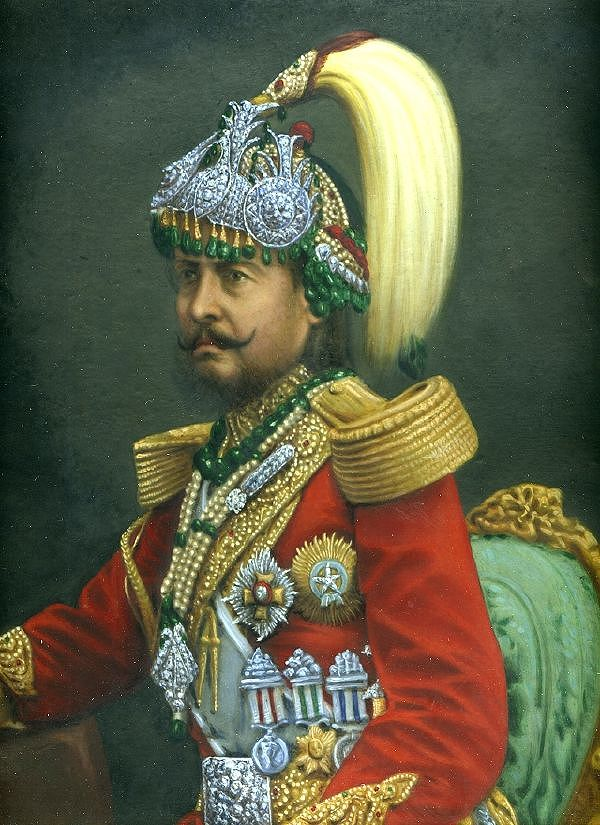
Jung Bahadur Rana arrived in London in 1850 as the first South Asian prince to be officially received at Queen Victoria’s court. He encountered Laura and was immediately captivated. He installed her in a luxury residence in Wilton Crescent, Belgravia, and began spending with a freedom that alarmed British officials. By the time he was compelled to return to Nepal, he had given her over £250,000, a sum so extraordinary that the India Office was forced to reimburse the Nepalese treasury for the deficit.
A British newspaper reported on their affair that year: “The Nepalese Ambassador leaves this country this week… Her Majesty has been, it is said, much scandalized by the appearance of this young lady in the Nepalese ambassador’s box at the opera, the said box being next to the one occupied by Her Majesty herself.”
Before departing, Jung Bahadur gave Laura a ring. He promised to fulfil her every wish.
She would hold him to it.
Marriage Brought Money but No Stability
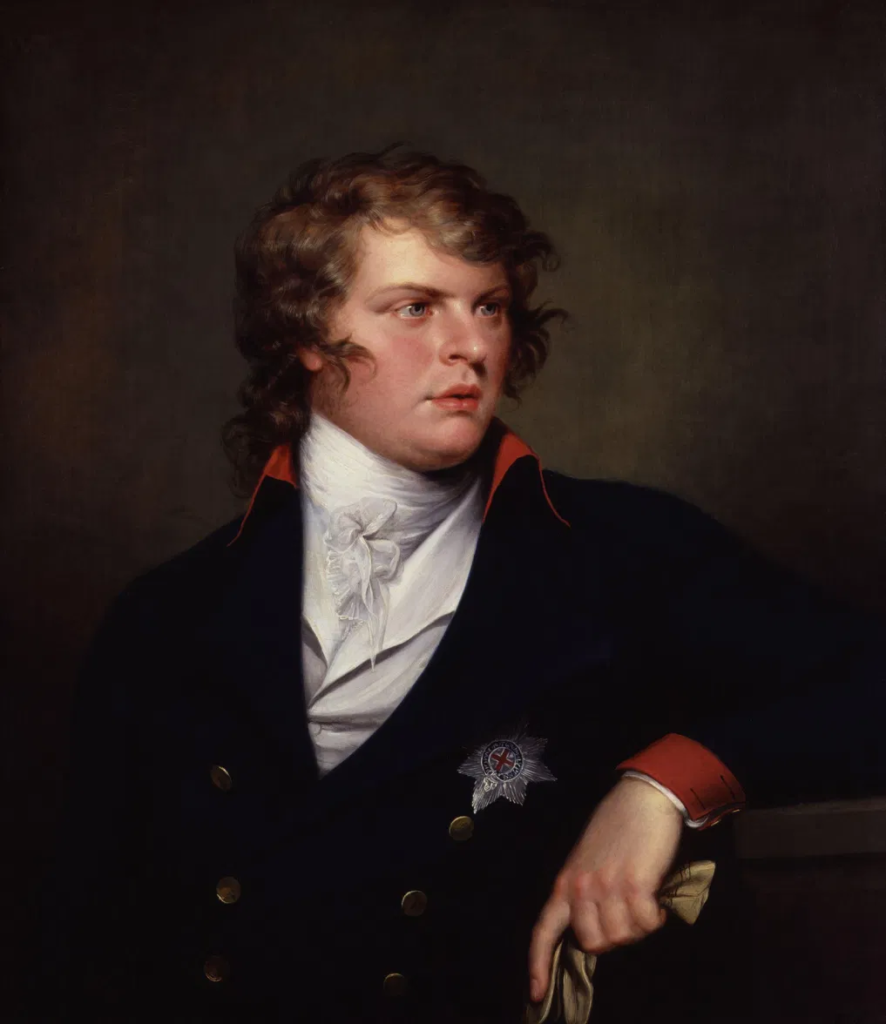
On 21 January 1852, Laura married Augustus Frederick Thistlethwayte, a wealthy army captain and grandson of the Bishop of Norwich. The money gave her room to spend even more freely than before. She accumulated debts so rapidly that Thistlethwayte was eventually forced to instruct London shopkeepers not to extend her credit. Six months after the wedding, she left with his younger brother, Arthur Henry Thistlethwayte, who had inherited the larger portion of the family estate.
Arthur Henry departed for the Crimean War in 1853. He fought at the Battle of the Alma and survived. He did not survive the disease sweeping through the encampment at Scutari. He died in November 1854.
Laura returned to her husband. Their marriage was long and, by all accounts, quietly wretched.
On the morning of 7 August 1887, Augustus Frederick Thistlethwayte was found dead at the family home in Grosvenor Square. He had kept a loaded revolver on his bedside table, his method for summoning the servants being to fire it into the ceiling. The coroner ruled accidental death: he had stumbled, struck the table, and discharged the weapon. He was 57. Gossips suggested Laura had arranged it. Others believed it was suicide. The inquest reached no further conclusion.
She inherited just over £70,000 from the estate.
Conversion Sent Her Out to Preach Across England
The evangelical transformation had begun decades earlier. In 1856, Augustus attended a sermon by Richard Weaver, a former bare-knuckle fighter turned preacher, and returned home converted. He spoke to Laura of what he had heard. She converted too. Then she began to preach herself.
Her sermons drew large and attentive audiences. One observer wrote: “She has a soft yet powerful and admirably modulated voice… the effect was most impressive and I don’t think anyone who heard her went away unimproved.” She called herself God’s Ambassadress. She described herself as a sinner saved by grace. The American magazine Harper’s noted in 1867 that “Laura Bell, who was the heroine of London letters four or five years ago, who drove exquisite equipages and gave ravishing suppers, has become converted… and now, in an exquisite dress but with faded beauty, preaches to men and women with eager concern.”
By this point her portrait had already circulated across Victorian England as a carte de visite, the small photographic calling card patented by the French photographer André-Adolphe-Eugène Disdéri in 1854. Victorian society traded these cards like currency; Laura’s image passed through the same hands as portraits of the Prince of Wales, Napoleon III, and General Tom Thumb. She had been famous as a collectible. She turned her Grosvenor Square house into an evangelical mission instead.
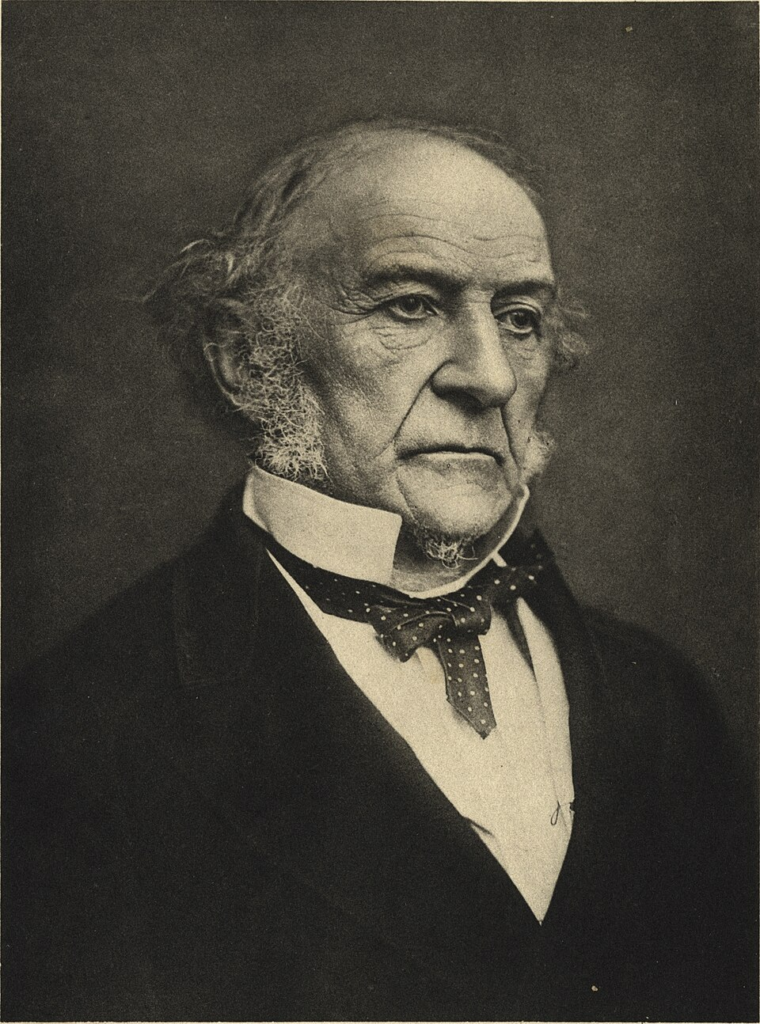
Gladstone Burned Every Letter She Had Written
During these decades of preaching, Laura formed a close friendship with William Ewart Gladstone, the Liberal statesman who would become prime minister four times. Gladstone had long made it his private practice to walk the streets of London at night, engaging with prostitutes in the hope of reforming them. He attended Laura’s dinners at Grosvenor Square, wrote to her regularly for thirty years, and by the end of their friendship had accumulated hundreds of her letters and an autobiography she had composed for him at his request. In 1892, Gladstone told Laura he intended to resign as prime minister before he informed Queen Victoria.
Their precise relationship remained disputed throughout their lives and has remained disputed since. His political rivals insisted it was an affair. Most historians judge it to have been platonic, grounded in shared concern for women who had lived as Laura had. Most of the correspondence was destroyed and could not settle the question either way.
Laura Bell died on 30 May 1894 at Woodbine Cottage, just off Finchley Road in West Hampstead. She was around 64. She left instructions that her coffin should bear not her married name but her birth name: Laura Eliza Seymour. She was buried in the Thistlethwayte family vault at Paddington Green Cemetery.
After her death, Gladstone’s solicitors recovered his letters from the estate. He burned them himself, along with the autobiography she had written for him. He said he feared they might be misunderstood.
Whatever she had written, whatever he had replied, whatever passed between the most notorious courtesan of the Victorian age and the man who led its government, was reduced to ash. The woman who may have changed the outcome of an empire-threatening rebellion with a single letter and a returned ring left nothing behind that Gladstone was willing to let the world read.
Leave a Reply