
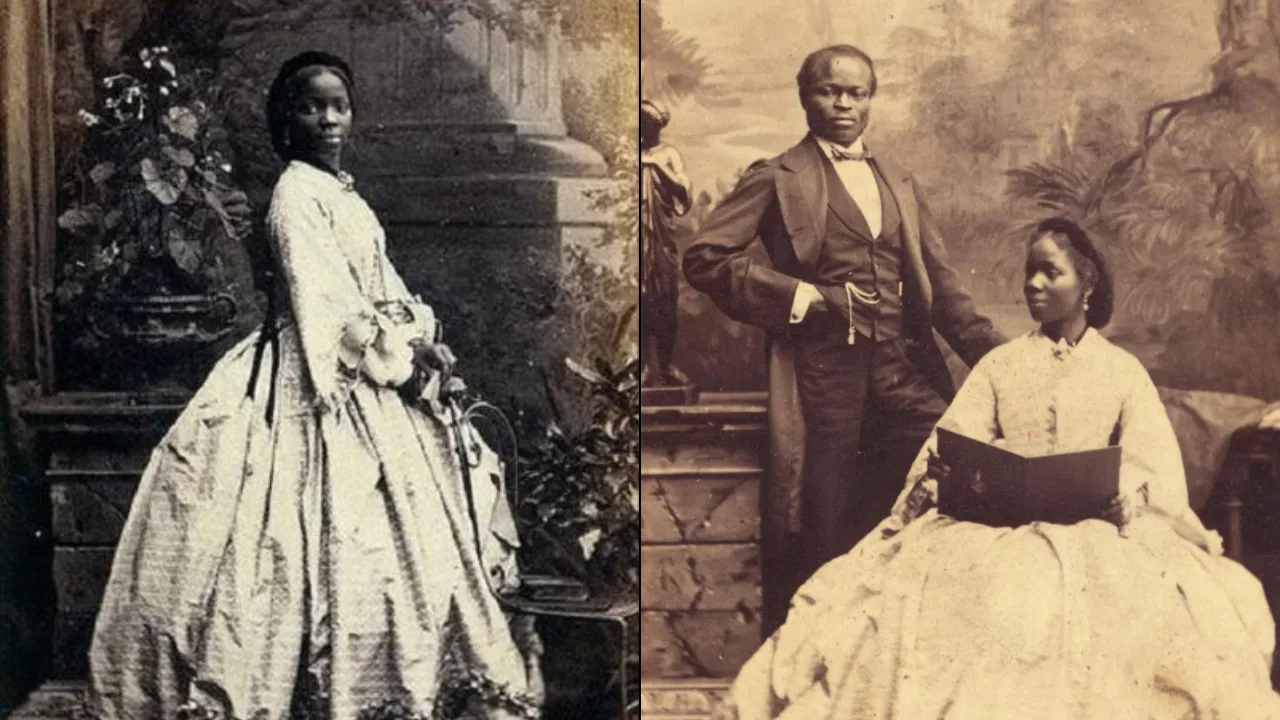
In 1850, the King of Dahomey handed an orphaned Yoruba princess to a British naval commander as a diplomatic gift for Queen Victoria. The queen accepted. The girl had been five years old when soldiers from Dahomey killed her parents. She was seven when she arrived in England. She was 37 when she died, alone, on a Portuguese island, still answering to a name she had never chosen.
Dahomey Burned Oke-Odan and Took Her
Omoba Aina was born in 1843 in Oke-Odan, a village in what is now Ogun State, southwest Nigeria. She was Egbado Yoruba, a member of one of the most contested peoples in West Africa. The Egbado occupied territory that connected the interior to the coast, which made them perpetual targets of more powerful neighbors. “Omoba” was not merely a name. It was a title meaning child of royalty, and Aina carried it in full.
In 1848, the armies of the Kingdom of Dahomey arrived before dawn. The Kingdom of Dahomey, based in what is now the Republic of Benin, had operated for more than two centuries as the dominant supplier of enslaved people to European coastal traders. Its economy ran on raids. In the attack on Oke-Odan, Aina’s parents were killed. Her siblings were killed. Survivors were either sold into the Atlantic trade or transported to the Dahomey court as captives.
Aina was five years old. She was taken alive.
For the next two years she remained at the court of King Ghezo in Abomey, neither freed nor sold, her fate suspended between the two outcomes available to every captive passing through Dahomey’s hands. She was, according to later accounts, being held for sacrifice. What she understood of her own situation, the record does not say.
Forbes Bargained for Her and Renamed Her
In 1850, Commander Frederick Edwyn Forbes of the British Royal Navy arrived at Ghezo’s court aboard HMS Bonetta. His mission was diplomatic: Britain had abolished slavery across its empire in 1833 and was pressing the Kingdom of Dahomey to abandon the trade that had sustained it. Ghezo was resistant. Forbes was persistent.
Following the established protocol of the region, Ghezo offered Forbes gifts. Among them was a small girl the court had been keeping since the destruction of Oke-Odan.
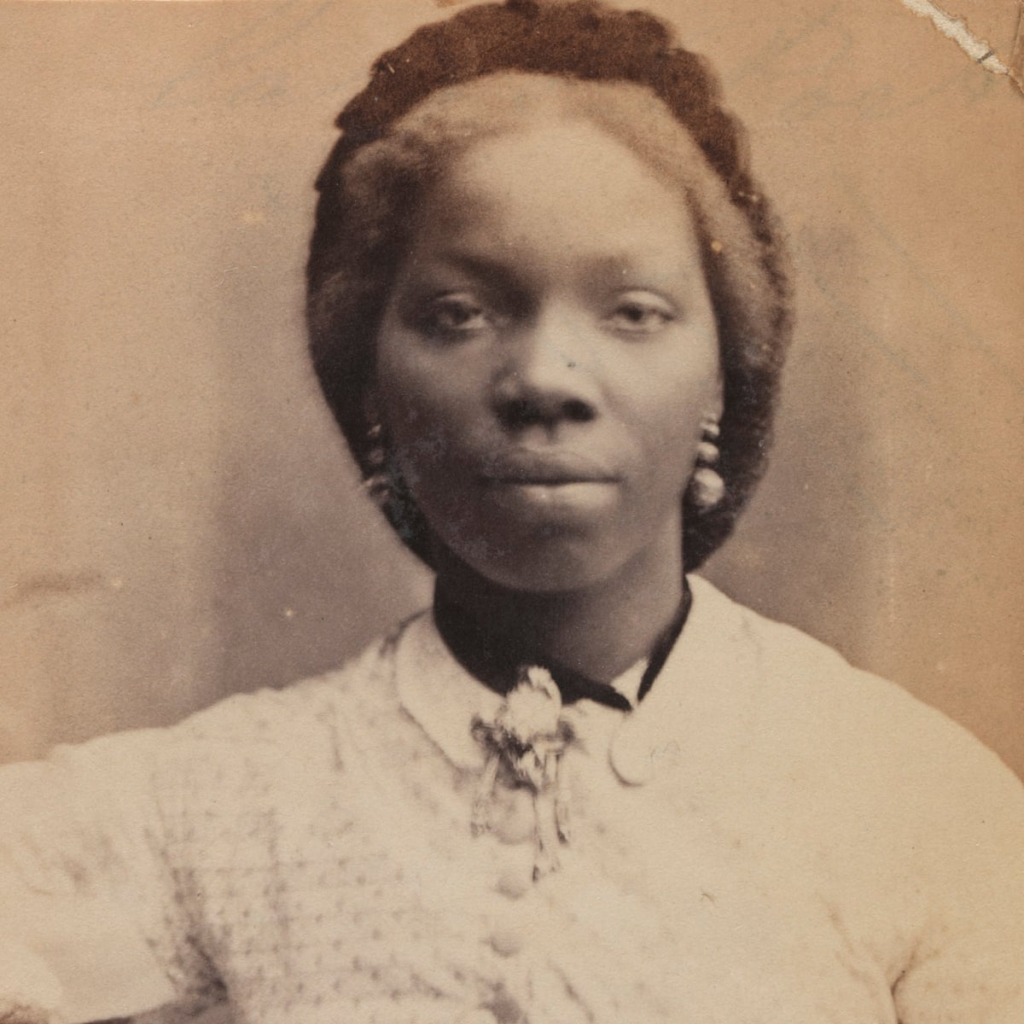
Forbes, who was firmly opposed to slavery, recognized the danger she faced and accepted her. He later described her in his published journals as “a perfect genius” who “speaks English well, and has great talent for music,” adding that she was “far in advance of any white child of her age in aptness of learning, and strength of mind.” He had her baptized before the ship left West Africa. He gave her a new name constructed from two sources: his own surname, Forbes, and the name of his vessel, Bonetta. He called her Sarah.
The girl who had been born Omoba Aina arrived in England as Sarah Forbes Bonetta.
On November 9, 1850, she was presented to Queen Victoria at Windsor Castle. Victoria wrote in her diary that the child was “sharp and intelligent” and that she spoke English. Sarah was approximately seven years old. The queen did not record what Sarah said.
The Queen Accepted Her and Named Her Ward
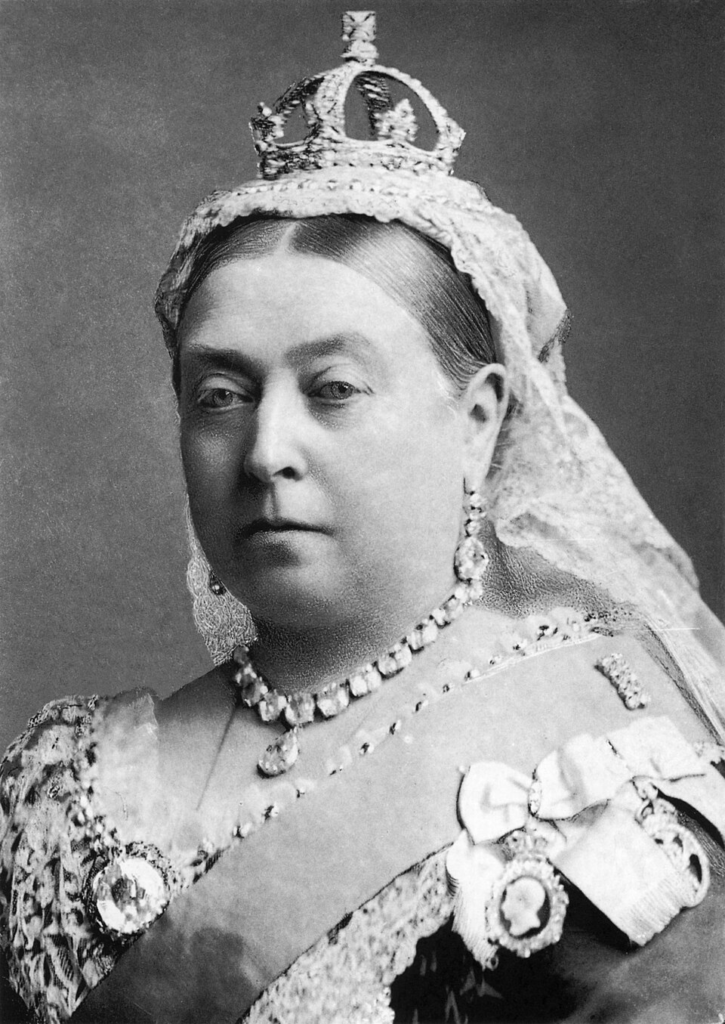
Queen Victoria was not, in the formal sense, Sarah’s adoptive mother. The arrangement the queen established was more specific and, in some respects, more binding. Victoria became Sarah’s patron: she paid for her education, oversaw her housing, monitored her social development, and maintained a close personal interest in her progress for the next thirty years. She called her “Sally.”
Forbes died in England in 1851, almost certainly from malaria contracted during his African missions. The transcript of his life in West Africa was complete. Sarah’s was not. She passed into the care of the Rev. James Schön and his wife in Gillingham, Kent. She visited the queen regularly. On January 11, 1851, Victoria noted in her diary: “After luncheon Sally Bonita, the little African girl, came with Mrs Phipps, and showed me some of her work. This is the 4th time I have seen the poor child, who is really an intelligent little thing.”
The word “poor” was doing a great deal of work. It signaled affection and pity simultaneously. It was the characteristic register of Victoria’s relationship with Sarah for the next three decades.
By late 1851, Sarah had developed a persistent cough. Her guardians attributed it to the British climate. The decision was made to send her back to Africa.
The Sierra Leone School Silenced Her
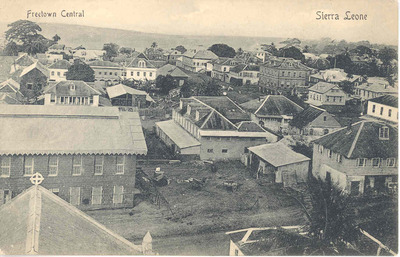
In May 1851, Sarah was enrolled at the Annie Walsh Memorial School in Freetown, Sierra Leone. The school had been established two years earlier by British missionary Julia Emily Sass under the Church Missionary Society, with the explicit purpose of training young African women in Christian domestic values and English culture. Students were forbidden to speak their native languages or wear indigenous dress. The school’s mission was civilisation, which in practice meant erasure.
Sarah’s name appears in the school register as “Sally Bonetta, pupil number 24, June 1851, ward of Queen Victoria.”
She excelled at everything the school measured. She mastered French, became an accomplished pianist, and stood near the top of every academic list. She was also, by multiple accounts, deeply unhappy. No volume of gifts from Windsor could change this. In 1855, after four years in Sierra Leone, Queen Victoria ordered her return to England.
She was twelve.
The Queen Commanded Her to Marry
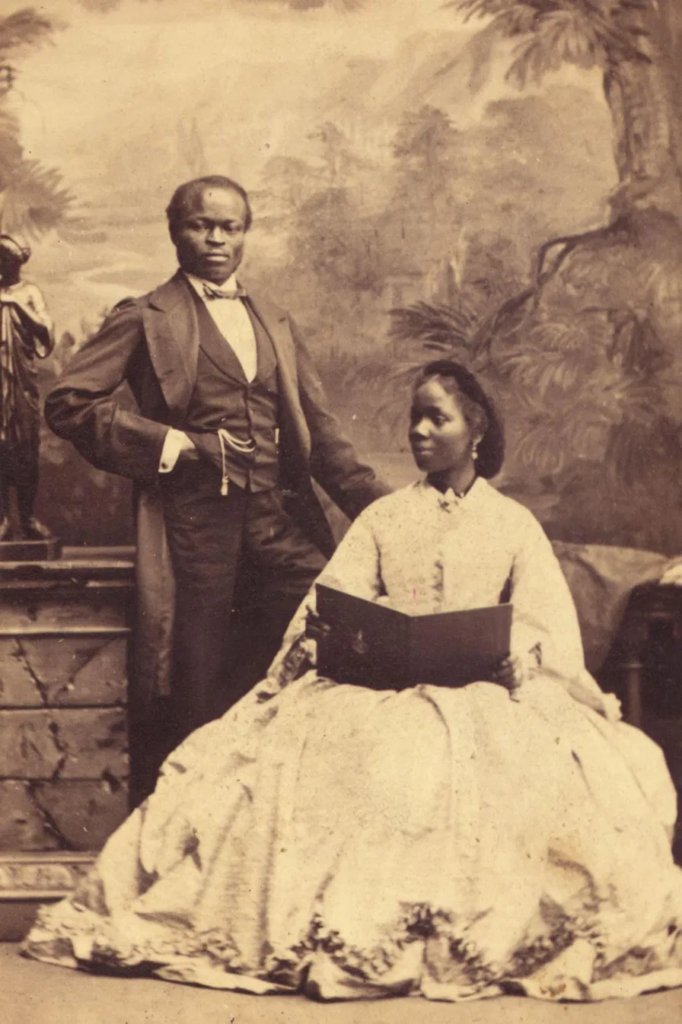
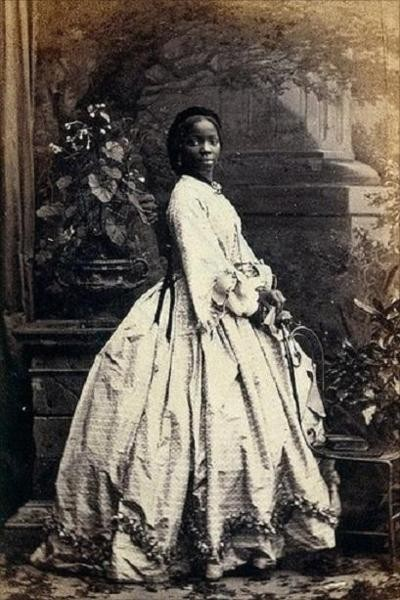
Back in England, Sarah was placed under the care of a Mrs Sophia Welsh in Brighton. She moved in upper-class circles, attended royal social events, and was photographed by the leading studios of the period. In July 1862, she was present at the wedding of Princess Alice, Queen Victoria’s third child, at Osborne House. The following month, she was married herself.
James Pinson Labulo Davies was a 34-year-old Yoruba merchant and philanthropist, born in Sierra Leone, who had established himself as one of Lagos’s most prominent businessmen. He was a widower. He had first encountered Sarah years earlier through missionary circles and now wrote formally to Queen Victoria to express his wish to marry her.
The queen approved.
Sarah refused.
Multiple accounts confirm that Sarah initially rejected the proposal. Queen Victoria eventually commanded her to accept. Whether this was framed as persuasion or instruction, the outcome was the same. The wedding took place on August 14, 1862, at St Nicholas’s Church in Brighton, officiated by the Bishop of Sierra Leone. Ten carriages arrived. Sixteen bridesmaids attended. The press praised the spectacle and noted approvingly that African gentlemen escorted white ladies while white gentlemen escorted African ladies. Sarah’s own feelings about the day were not recorded by anyone present.
The couple settled in Lagos.
Lagos Gave Her Children and Tuberculosis
In 1863, Sarah gave birth to a daughter in Lagos. She was granted permission by Queen Victoria to name the child Victoria. The queen agreed to serve as the child’s godmother and sent an engraved gold christening set inscribed: “To Victoria Davies, from her godmother, Victoria, Queen of Great Britain and Ireland, 1863.”
In December 1867, Sarah traveled to England with the four-year-old for what would be their final visit to the queen. Victoria recorded the encounter in her diary: “Saw Sally, now Mrs. Davies and her dear little child, far blacker than herself, called Victoria and aged 4, a lively intelligent child, with big melancholy eyes.”
Two more children followed in the years ahead. Arthur was born in 1871. Stella arrived in 1873.
Tuberculosis had also arrived, quietly and without announcement. By the mid-1870s, Sarah’s lungs were failing. Tuberculosis was a global epidemic in the 19th century and had no effective treatment beyond careful living in a favorable climate. At some point Sarah moved to Madeira, a Portuguese island off the northwest coast of Africa, where the air was gentler than Lagos or London. Her husband, whose business interests kept him in Lagos and who was by this period facing serious financial difficulties, joined her only intermittently.
Her eldest daughter was in England. Her two younger children were in Lagos. Sarah was in Madeira.
She Died in Funchal Without Her Children
On August 15, 1880, Sarah Forbes Bonetta Davies died in Funchal, the capital of Madeira. She was 37.
The news reached England while her daughter Victoria, then 17, was traveling to Osborne House to visit the queen. The visit she had been making to the woman who bore her name, who had paid for her education, who had gold-inscribed her birth into the record of empire, was interrupted before it arrived. Queen Victoria wrote in her journal: “My black godchild… was dreadfully upset and distressed. Her father has failed in business, which aggravated her poor mother’s illness. I shall give her an annuity.”
James Davies had a granite obelisk erected at Ijon in Western Lagos, on the grounds of his cocoa farm. The inscription read: “In Memory of Princess Sarah Forbes Bonetta. Wife of the Hon J P L Davies who departed this life at Madeira August 15th 1880. Aged 37 years.”
The monument named her by Forbes’s title and Forbes’s name. It described her in relation to her husband. It was written in English, the language she had been taught to replace her own. Sarah Forbes Bonetta is buried in the Protestant Cemetery in Funchal. The grave is in Madeira. The obelisk is in Lagos. Neither is in Oke-Odan.
The name she was born with, Omoba Aina, appears on neither.
Leave a Reply