
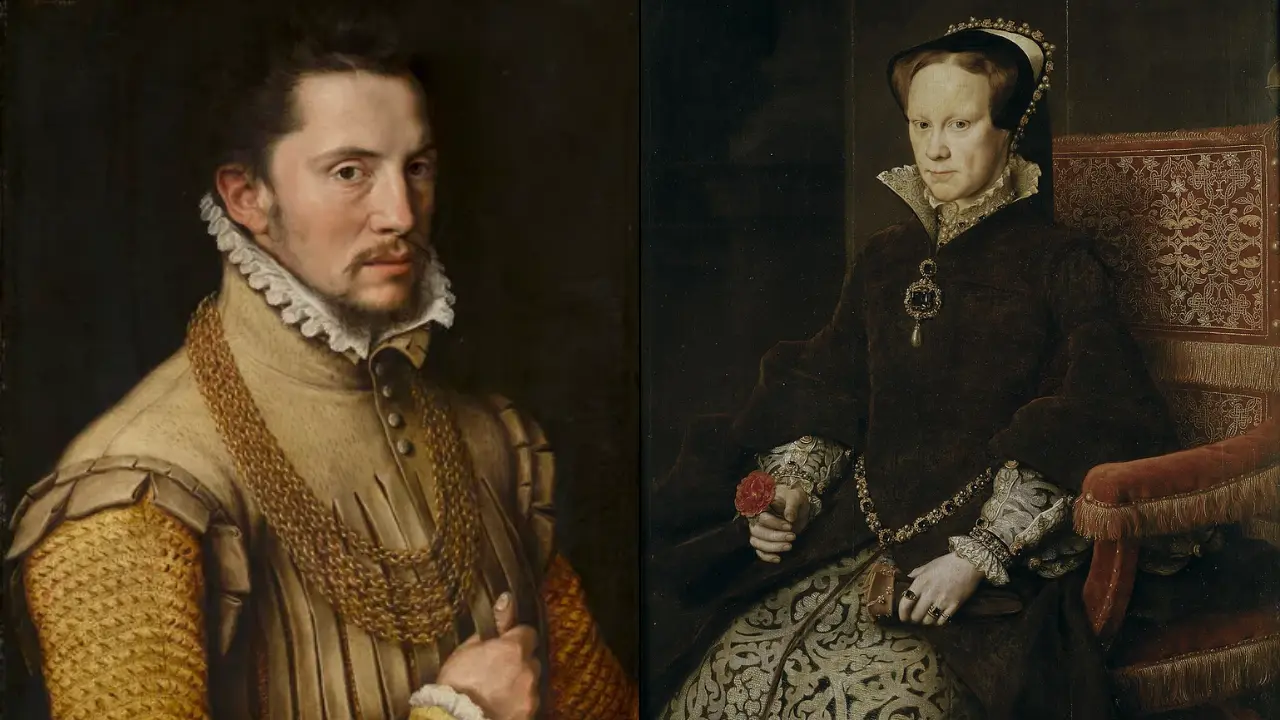
A trusted servant of Henry VIII and Edward VI, Gates wielded the royal dry stamp for nearly a decade before three blows of an axeman’s blade ended his life on Tower Hill on August 22, 1553.
At dawn on August 22, 1553, two men met for the last time at the garden gate of the Tower of London. One was John Dudley, Duke of Northumberland, who six weeks earlier had been the most powerful man in England. The other was Sir John Gates, the man Dudley had publicly called his “special friend.” They had stood together at the center of two reigns, controlled the personal finances of one king, and held in custody the signature of another.
“God have mercy upon us,” Dudley said. “For this day shall end both our lives.”
Neither had forgiven the other. Both walked to Tower Hill.
An Essex Lawyer Entered Henry’s Inner Circle
Sir John Gates was born around 1504 at Garnetts, the family estate in High Easter, Essex, the eldest son of Sir Geoffrey Gates and Elizabeth Clopton. The family were established Essex gentry, their standing confirmed by Geoffrey’s service as Justice of the Peace and sheriff for Essex, and his presence at the siege of Tournai in 1513, where Henry VIII knighted him on the field. John received a thorough education and began his legal training at Lincoln’s Inn in 1523.
His path to court followed a familiar Tudor route: family connection. The Gates were distant relatives of the Dennys, and John’s marriage to Mary Denny, sister of the influential Sir Anthony Denny, opened the doors of the Privy Chamber. By 1542 he was a groom of the king’s Privy Chamber. From 1543 to 1545 he served in the household of Queen Catherine Parr.
The work was detailed and unglamorous. As a Privy Chamber servant, Gates inspected the king’s personal weapons and oversaw payment to the suppliers who kept the royal wardrobe stocked: gloves, night caps, silk hats, velvet caps, satin hose, gold lace, leather, swords, girdles, and horse-trappings. He was placed in charge of the king’s coffer, overseeing Henry’s liquid cash, golden spoons, and jewels, and was assigned funds to repair the king’s manors and parks. None of it was trivial. To be trusted with a king’s private possessions was to be trusted with the king.
His loyalty had been tested and found useful before he ever reached those rooms. In October 1536, during the uprising known as the Pilgrimage of Grace, Gates was assigned to keep the peace in Essex and contributed six men to the royal army. He was also a committed supporter of the Protestant reforms, and was instrumental in the removal of altars and the despoiling of churches during the Dissolution of the Monasteries.
Those transactions proved lucrative. Gates came into possession of several dissolved monasteries himself and through further acquisitions accumulated extensive estates across Suffolk, Essex, Hertfordshire, Norfolk, and Northamptonshire. By 1540 he rarely visited Garnetts, preferring to live at Syon or at Havering-atte-Bower, where he served as Keeper of Pyrgo Park. His sister, Lady Dorothy Josselyn, managed his Essex affairs in his absence.
For the French expedition of 1544, he supplied sixty soldiers and commanded over three thousand men who remained with Henry at Boulogne. He returned to court with his standing intact.
Denny had made himself essential to the aging Henry VIII. Gates made himself essential to Denny.
Gates Took Custody of the King’s Signature
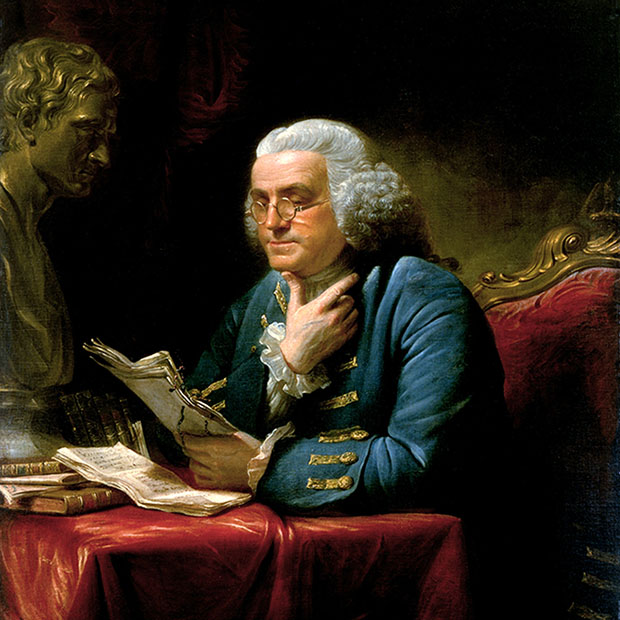
By 1544, Henry’s eyesight had begun to fail. Accounts from this period record orders for ten pairs of spectacles at a time from German suppliers. The demands of signing countless documents had grown intolerable. Beginning in September 1545, a solution was adopted: a carved wooden block pressed against paper left a precise impression of the royal signature, which a clerk then inked in. The block was the dry stamp, and it was the most dangerous object in England.
Denny, Gates, and a clerk named William Clerk were among the handful of men formally authorized to witness and record the stamp’s use, retrospectively pardoned for its application since September 1545. The stamp had initially been kept in a small locked casket held on the king’s person. Eventually Henry surrendered it to Gates.
Authorized use of the stamp meant control of access to the exchequer, influence over royal appointments, and the power to grant favours to those who petitioned for them. It also permitted those who held it to exact revenge on political enemies. Unauthorized use was treason. The line between the two ran through Gates’s judgment alone.
In December 1546, Gates was dispatched as one of three commissioners to confiscate and inventory the properties of Henry Howard, Earl of Surrey, and Thomas Howard, Duke of Norfolk, following their arrests on suspicion of challenging the succession of Prince Edward. Gates and a colleague produced detailed inventories of the duke’s mansion at Kenninghall and the castle at Castle Rising. It was the kind of assignment the crown gave only to men it trusted absolutely, and it placed Gates at the center of the last great political purge of Henry’s reign.
Henry VIII died on January 28, 1547. The royal will had not been signed by conventional means. The dry stamp had been used, and that fact has remained a source of controversy ever since. Gates rode beside the king’s coffin in the funeral procession to Windsor. The will named him a beneficiary: £200, the approximate value of forty horses. It was a modest reward for a man who had held the king’s authority in his hands for the better part of two years.
Gates Reached the Summit Under Edward VI
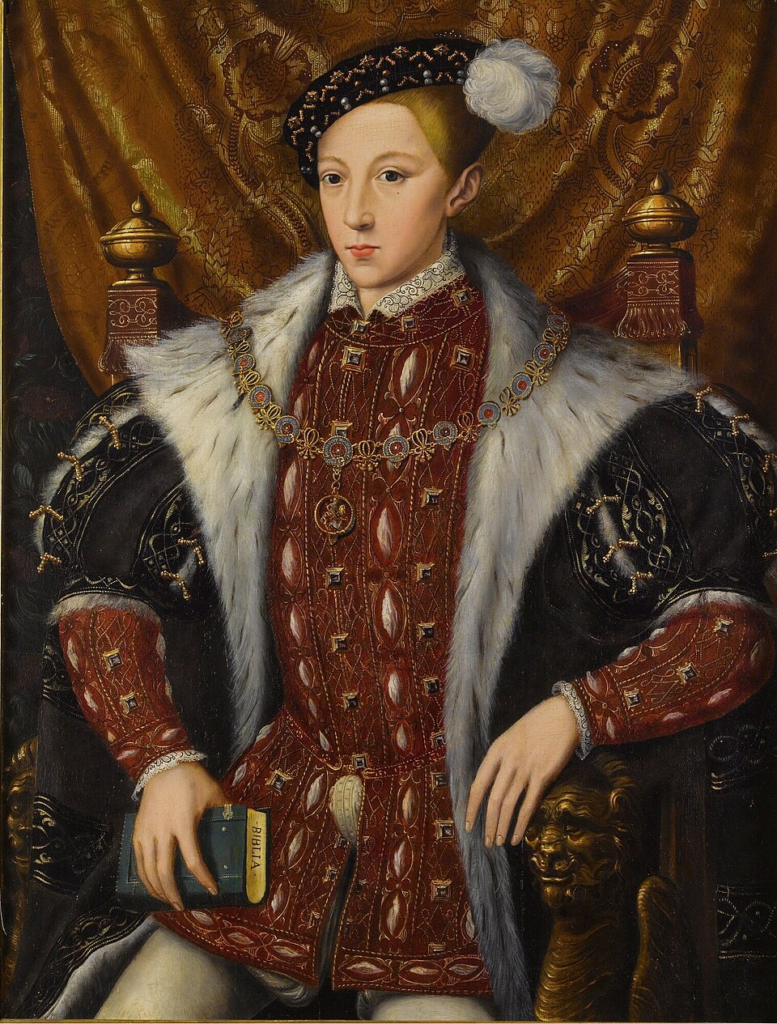
The nine-year-old Edward VI inherited the throne under the Lord Protectorship of his uncle Edward Seymour, Duke of Somerset. Gates was made a Knight of the Bath at the coronation. He was not a partisan of Somerset’s administration. When Somerset’s power collapsed in autumn 1549, Gates executed his orders, confiscated Somerset’s property, and aligned without hesitation with the man who replaced him: John Dudley, newly created Duke of Northumberland.
Gates became a Chief Gentleman of the Privy Chamber and was granted custody of the young king’s signet in December 1551. He was in near-constant attendance on Edward, reporting everything to Dudley and transmitting Dudley’s instructions back to the king. Northumberland described him publicly as his “special friend.” In April 1551, Gates was elevated to Vice-Chamberlain of the Royal Household and Captain of the Gentlemen Pensioners. Days afterward he was admitted to the Privy Council. In July 1552, he was appointed Chancellor of the Duchy of Lancaster.
He held the reins of two administrations simultaneously: the king’s personal authority above him, and Dudley’s political direction behind him.
In July 1550, word reached the council that Princess Mary, Edward’s Catholic half-sister and heir under the Act of Succession, had attempted to flee England for the Continent. As Sheriff of Essex, Gates was dispatched with cavalry to intercept her before she could reach the coast. The attempt was abandoned. Additional troops were garrisoned at the nearby ports. The council pressed Mary more aggressively afterward to abandon the Catholic Mass.
Mary noted who had ridden against her.
The Devise Pulled Gates into the Abyss
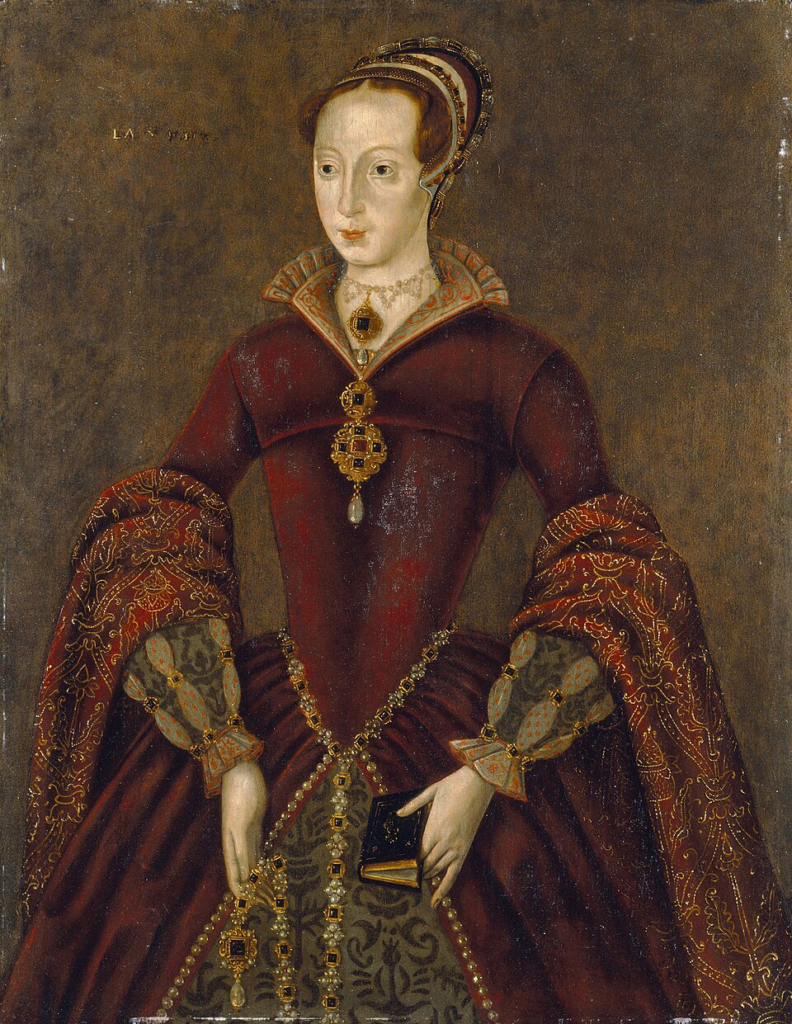
By January 1553, Edward VI was dying. He was consumed by the certainty that his Catholic half-sister would succeed him and dismantle the Protestant reforms of his reign. Sometime in the spring of 1553, a “devise” was drawn up, casting aside both of Edward’s sisters and naming his Protestant cousin Lady Jane Grey as his successor.
Who conceived the plan remains disputed. Lady Jane Grey later claimed that Gates had confessed to being the first to induce Edward toward the scheme. Historian Narasingha P. Sil has challenged this account, arguing that Gates was probably not as close a confidant to the young king as the claim implies. What is beyond dispute is that Gates supported the devise, acted as Dudley’s agent in Parliament in an attempt to engineer passage of a bill altering the succession, and was fully committed to what followed.
Edward died on July 6, 1553. His death was kept secret for three days. The day after the king died, Gates reportedly had to remind Dudley to dispatch men to capture Princess Mary before news of the succession reached her. On the third day, Gates announced the king’s wishes to his subordinates, took formal possession of the Tower of London, and stood at the center of a succession that was already beginning to fracture.
On July 10, Lady Jane Grey was proclaimed queen.
She would reign for nine days.
Mary withdrew to East Anglia, gathered supporters among the local gentry, and raised an army. The council had not anticipated this. On July 14, Dudley led troops east to confront her. Gates and Sir Thomas Palmer followed that afternoon with five hundred men.
The campaign collapsed before a battle was joined. A rumour spread along the road to Cambridge that Gates had been killed. His men switched allegiance on the spot. Support for Jane Grey dissolved across the country within hours. Dudley, Gates, and the others were arrested at Cambridge and escorted back to London. They entered the Tower on July 25 as prisoners of the woman Gates had once ridden out to stop from leaving England..
Mary Remembered and Three Blows Confirmed It
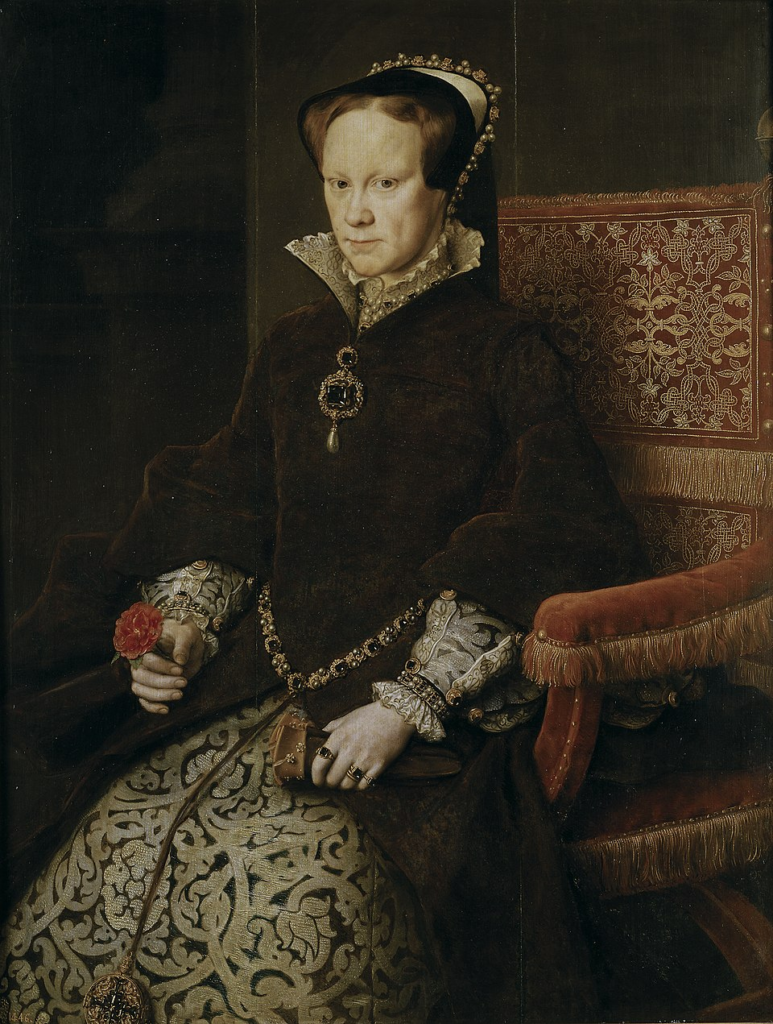
Mary I arrived in London on August 3. She had already decided who would die.
Gates, his brother Henry, Andrew Dudley, and Sir Thomas Palmer were tried at Westminster Hall on August 19, 1553, and found guilty of high treason. The sentence was hanging, drawing, and quartering. Mary commuted it to beheading.
The execution was set for August 22.
The night before, Dudley accepted the Catholic faith and requested a priest. Gates followed the next morning. Together with Dudley’s son, the young Earl of Warwick, Gates attended mass at St Peter ad Vincula within the Tower precincts. He confessed before the congregation: “We have been out of the way a long time, and therefore we are worthily punished; and, being sorry therefore, I ask God forgiveness most humbly.”
No mercy followed.
At the garden gate, Dudley addressed his former ally one final time, asking forgiveness for whatever offence he had caused. Gates replied: “You and your authority was the only original cause of all together; but the Lord pardon you, and I pray you forgive me.”
Ten thousand people had assembled on Tower Hill.
Gates distributed £10, 14 shillings and four pence in alms from the scaffold. He refused a blindfold. He laid his head on the block.
It took three blows to bring it off.
Sir John Gates was 48 or 49 years old. He was buried in the chapel of St Peter ad Vincula, in the shadow of the Tower where he had twice held a king’s authority in his keeping. His estates at Rivenhall and Shalford were confiscated by the Crown. An attainder stripped away what remained.
The dry stamp that had elevated him from a household groom to Chancellor of the Duchy of Lancaster had placed him at the center of every succession crisis, every political purge, and every dangerous alliance of two reigns. Gates had built his entire career on the authority of other men’s signatures. In the end, no signature could save him.
Leave a Reply