
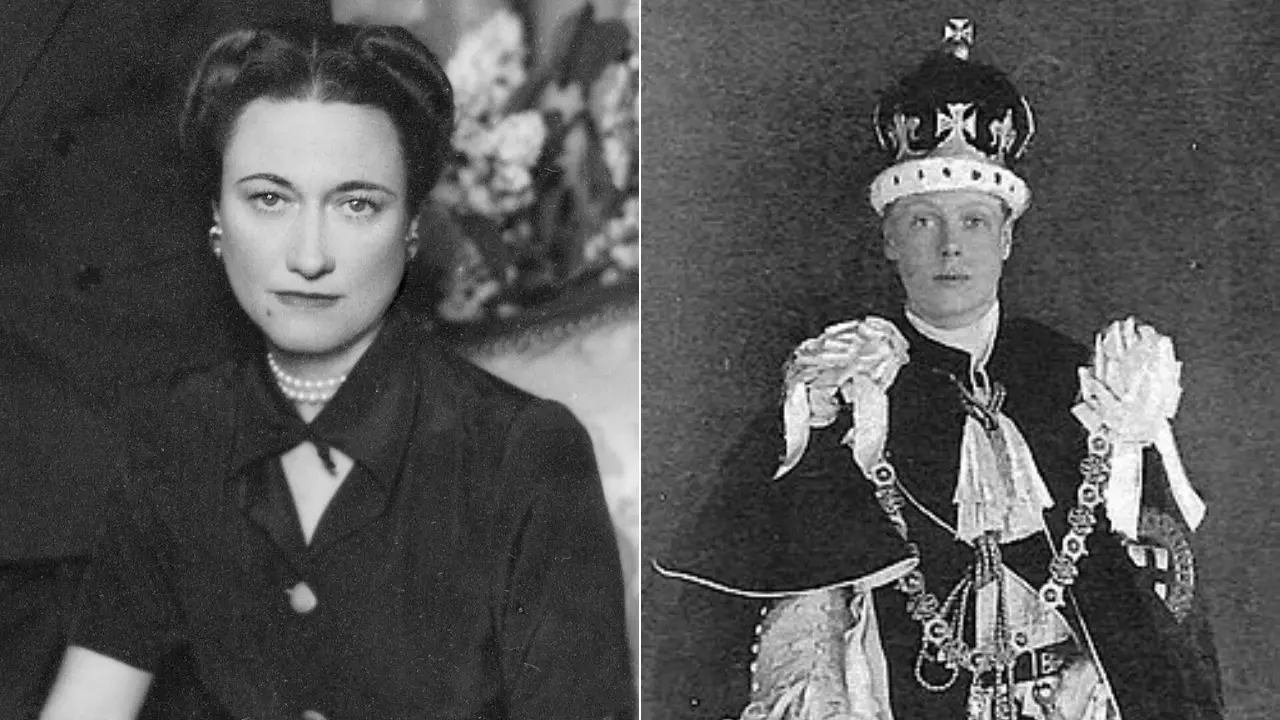
King Edward VIII abdicated the British throne on December 10, 1936 and seven months later, Wallis Simpson was photographed shaking hands with Adolf Hitler at his private mountain retreat.
On December 10, 1936, King Edward VIII sat with his three brothers and signed his name to the Instrument of Abdication. He had been king for 325 days. The woman who had cost him the most powerful throne in the world was not beside him she was barricaded inside a villa near Cannes, surrounded by press photographers, waiting to hear if it was over.
It was.
Wallis Simpson, born Bessie Wallis Warfield at a Pennsylvania hotel in June 1896, had already married twice and divorced once before she set foot in the same room as the Prince of Wales. Within five years of that meeting, she had triggered a constitutional crisis spanning the British Empire, made an enemy of virtually every level of the British establishment, and caused a king to choose between his crown and her.
Within a year of the abdication, she and her new husband were dining with senior figures of the Nazi regime and meeting Adolf Hitler face to face. Whether she was the most dangerous woman in Britain or simply the most ambitious one depends entirely on who is asked and when.
A Baltimore Childhood Built on Other People’s Charity
The facts of Wallis’s earliest years were not ones she dwelled on later. Her father, Teackle Wallis Warfield, died of tuberculosis in November 1896, less than six months after her birth, leaving her mother Alice and their infant daughter dependent on the generosity of relatives. Her paternal uncle, Solomon Davies Warfield, a prominent Baltimore banker and railway president, provided the financial scaffolding that kept them housed and clothed. It was the kind of childhood that teaches a person very quickly that security is borrowed, not owned.
Wallis’s maternal grandfather, William Latane Montague, had been a successful stockbroker. Her paternal grandfather, Henry Mactier Warfield, was a prominent merchant who had run for mayor of Baltimore in 1875. The family name carried weight in the city; the money, however, had not trickled evenly in Wallis’s direction. What she had instead was intelligence and an unnerving social instinct. A classmate at Oldfields School, the most expensive girls’ school in Maryland, later recalled that Wallis “made up her mind to go to the head of the class, and she did.
” A biographer observed that while her jaw was too heavy for conventional beauty, her “violet-blue eyes and petite figure, quick wits, vitality, and capacity for total concentration on her interlocutor ensured that she had many admirers.” That last quality, the capacity to make whoever she was speaking to feel like the only person in the room, would define her life.
Two Marriages, Two Failures, and a Growing Reputation
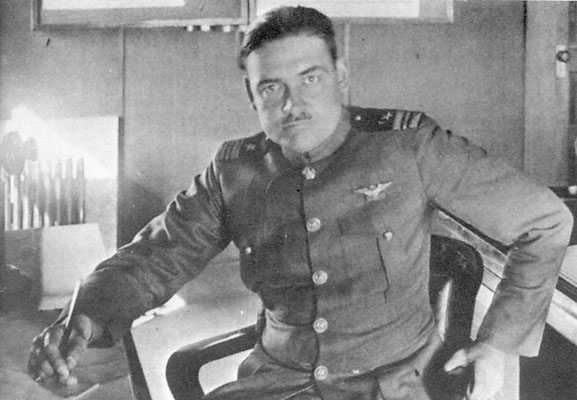
In November 1916, Wallis married Earl Winfield Spencer Jr., a US Navy aviator she had met in Pensacola, Florida, roughly seven months earlier. The marriage deteriorated almost immediately. Spencer was a heavy drinker who drank before flying he once crashed into the sea and escaped nearly unharmed and the couple separated repeatedly through the late 1910s and into the 1920s. Wallis spent long stretches of those years abroad, moving through China, Hong Kong, and Paris while Spencer served at various postings. Their divorce was finalized in December 1927.
Seven months later, she married Ernest Aldrich Simpson, an Anglo-American shipping executive and former officer in the Coldstream Guards. They settled in London, and it was through a mutual friend that Wallis was introduced to Thelma, Viscountess Furness, who at that time was the mistress of Edward, Prince of Wales, the eldest son of King George V and heir to the British throne. Lady Furness, apparently seeing nothing to worry about, introduced Wallis to Edward on January 10, 1931, at a country house party near Melton Mowbray.
She did not see it coming. Nobody did.
Edward, Prince of Wales, Saw Wallis and Chose Her Over Everything Else
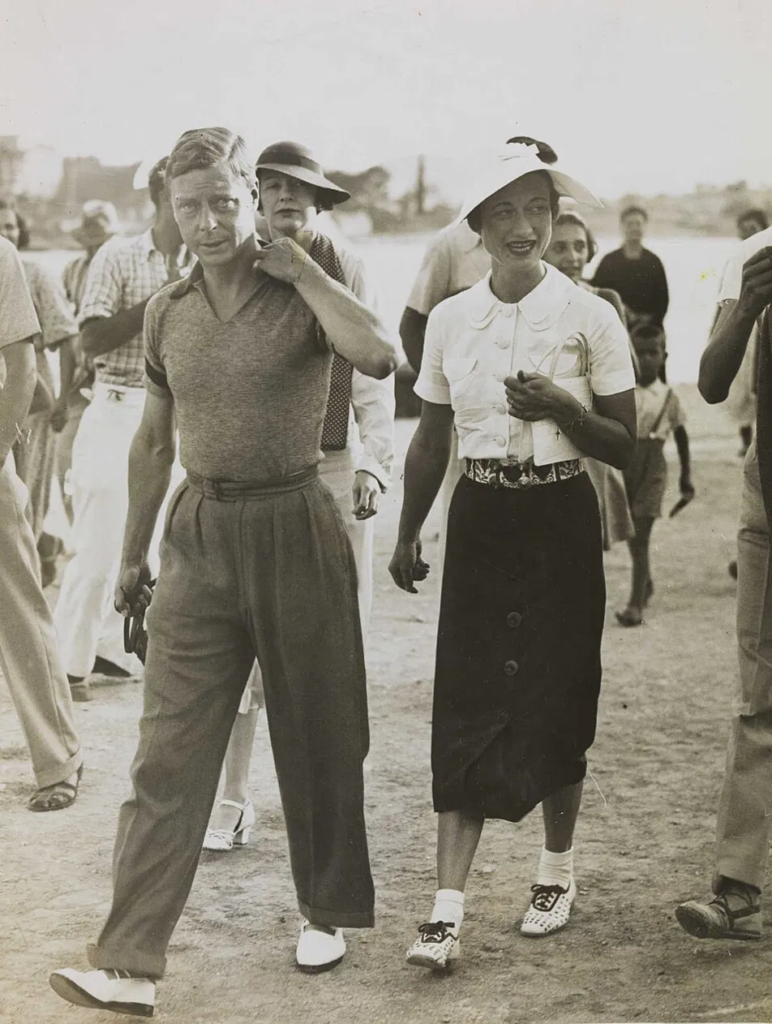
For the first three years after their introduction, Edward and Wallis moved in overlapping social circles without visible consequence. In January 1934, while Lady Furness was temporarily in New York, the relationship became something else entirely.Edward, in the words of his official biographer, became “slavishly dependent” on Wallis, finding her domineering manner and irreverence toward his royal position genuinely compelling.
He showered her with money and jewels. He introduced her to his mother at a Buckingham Palace reception. His father, George V, was outraged. By 1935, the Metropolitan Police Special Branch had opened a file on her.
Wallis was still, technically, married to Ernest Simpson. Edward was heir to the throne of a country whose monarch served as Supreme Governor of a Church that refused to sanction the remarriage of any divorced person whose former spouse remained alive. Wallis had two living ex-husbands. The constitutional collision was not hypothetical. It was already taking shape.
The Crisis That Shook an Empire
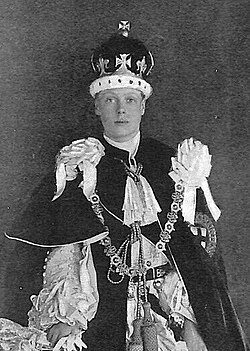
George V died on January 20, 1936, and Edward ascended the throne as King Edward VIII. His intentions regarding Wallis were immediately apparent to those closest to the crown. She was reportedly telling friends that she expected to become queen. The Conservative Prime Minister, Stanley Baldwin, was determined to prevent it.
Edward proposed a morganatic marriage, an arrangement under which he would remain king but Wallis would not become queen. Baldwin, along with the prime ministers of Australia, Canada, and the Union of South Africa, rejected the proposal. The choice was simple and irrevocable: Wallis, or the throne.
He signed the Instrument of Abdication on December 10, 1936. His brother Albert became King George VI. In a radio broadcast the following evening, Edward told the nation he had found it impossible to carry his duties as king without the help and support of the woman he loved.
Wallis, besieged at a villa near Cannes, had tried in the final days to extract herself from the situation, authorizing a public statement indicating her readiness to give him up. Edward would not be talked out of it. Her solicitor later stated that his client had been prepared to do anything to ease the crisis, but that Edward himself had been determined. Whether Wallis genuinely tried to stop what was coming, or whether the attempt was cover for a result she had wanted all along, was a question her biographers would argue for decades without resolution.
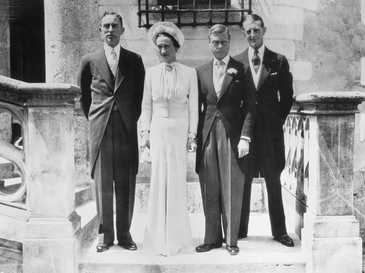
Dinner in the Third Reich
The new Duke and Duchess of Windsor married on June 3, 1937, at the Château de Candé in France’s Loire Valley a substantial property in Monts, lent to them by French millionaire Charles Bedaux. No member of Edward’s family attended.
They settled in Paris. The British government had hoped they would recede from public life. Instead, in the autumn of 1937, the Windsors accepted an invitation from Robert Ley, head of the German Labour Front, to visit Nazi Germany. The British government objected. They went regardless.
The Windsors arrived in Berlin on October 11, 1937, for what became a two-week tour of German factories and social organizations. Their hosts included Joachim von Ribbentrop, at that point Germany’s Ambassador to the United Kingdom, Joseph Goebbels, the Nazi Minister of Propaganda, and Hermann Goering, commander of the German air force and Hitler’s second-in-command.
The visit concluded with a personal audience with Adolf Hitler at his mountain retreat, the Berghof, near Berchtesgaden. After the meeting, Hitler was reported to have said of Wallis that she would have made a good queen. The suspicion in British government circles that she was a German sympathize or something worse hardened into something approaching certainty.
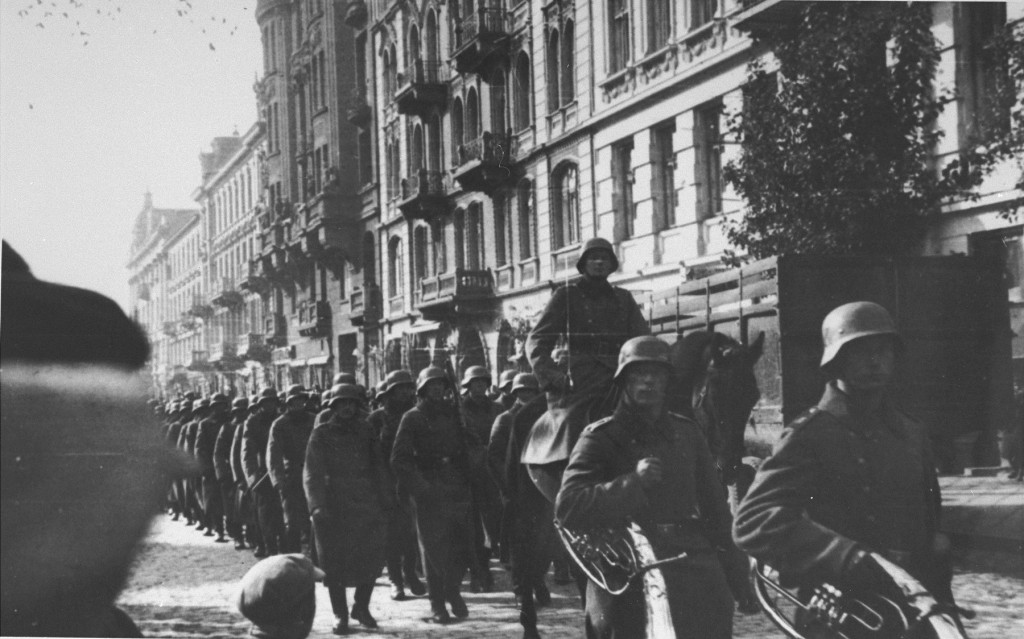
Lisbon, 1940: The Question That Was Never Answered
When German armored divisions swept through France in the early summer of 1940, the Windsors fled south through Biarritz, crossed into Spain, and moved on to Portugal. In Cascais, outside Lisbon, they took up residence at the home of Ricardo do Espírito Santo e Silva, a Portuguese banker whom British intelligence suspected of functioning as a German agent.
What unfolded there has never been fully untangled. It was later established that the Nazi regime had dispatched agents to try to maneuver the couple back into Spain, where they planned to detain the Windsors and bring them to Germany as leverage against Britain. That plot failed. British intelligence had meanwhile developed a separate concern: that Edward himself might be in communication with the German government through his host, and that contingency plans existed for Edward’s restoration to the British throne in the event of a Nazi victory over Britain. The documentary evidence was incomplete.
The suspicion was never conclusively proven or disproven. It never has been.
The British government moved quickly to get the Windsors out of Lisbon. Edward was appointed governor of the Bahamas, a posting that placed him and Wallis at comfortable distance from Europe and from any questions that might prove inconvenient. Wallis called the Bahamas their “St. Helena” a reference to Napoleon’s final exile and the couple remained there for the duration of the war, as whatever plans they may have discussed in Portugal were overtaken by Germany’s gradual defeat from late 1941 onward.
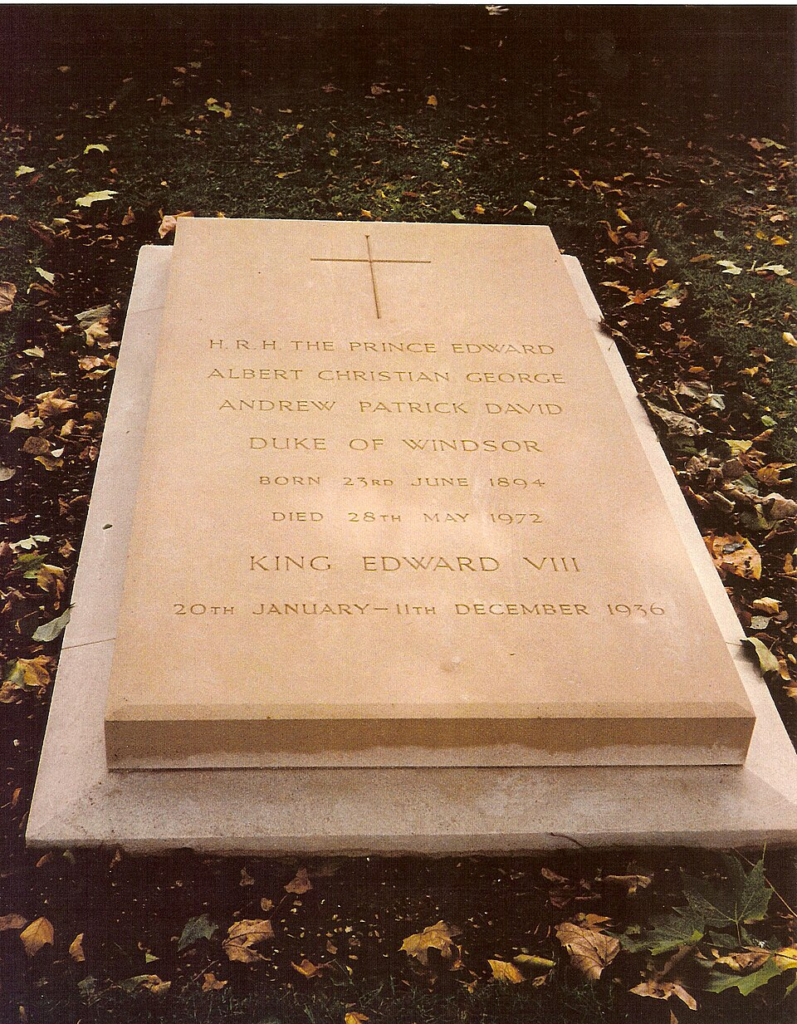
A Life She Never Fully Explained
Edward died of throat cancer in Paris in May 1972. Wallis returned to England to attend the funeral an occasion at which, according to Princess Diana’s later account, it was the only time she had ever seen Queen Elizabeth II weep. Wallis then returned to France, and to a long diminishing from public life. Dementia claimed her voice in 1980. She died on April 24, 1986, at her home in the Bois de Boulogne, aged 89.
Her jewelry collection, auctioned at Sotheby’s Geneva the following year, raised $45 million roughly seven times its pre-sale estimate. The bulk of her estate went not to the royal family who had spent decades regarding her with cold suspicion, but to the Pasteur Institute medical research foundation, on the instructions of her French lawyer. Her biographers noted she had shown almost no interest in charity during her lifetime. Even in death, she defied the version of herself that others had decided she was.
She was once reported to have summarized her own life in a sentence: “You have no idea how hard it is to live out a great romance.” Whether that was self-pity, self-knowledge, or a performance for the room, no one who knew Wallis Simpson could ever quite decide.
Leave a Reply